As we get ready to launch, one design choice needs explaining because it appears on every page: each game card shows the same three figures, RTP, volatility and max win. When we can't confirm a figure, the card shows a dash (—). This update covers why we chose those three, where the numbers come from, and why a blank is better than a guess.
Three numbers that describe how a game is built
A game's artwork tells you its theme. These three figures tell you about its design.
- RTP, or return to player, is the theoretical share of stakes a game is designed to return over a very large number of rounds.
- Volatility describes how that return is spread out: many small wins, or rare large ones. Where we have a rating, cards show it as a label with a six-step bar.
- Max win is the largest award the design allows, as a multiple of the stake.
Together they answer the question most players have before pressing spin: what kind of game is this? A 96% game with low volatility and a 1,000x cap behaves very differently from a 96% game with a 30,000x cap and extreme volatility, even though the RTP is the same. Our guide to RTP and volatility covers this in more detail.
Regulators take a similar view. The Gambling Commission's technical standards for Great Britain require that information enabling an informed decision about the chances of winning be available before a customer commits to gamble, and they list RTP, house edge or probability of winning as examples. Our games use virtual coins only, but we think the same information belongs on a free-play site too.
Where the figures come from
Each game record lists a source for each figure. Wherever possible, that's the studio's own game page, help file or launch release. When a studio doesn't publish a figure, we use a published game database and label the game page to say so, with a link to the source.
Some checks happen before a figure is accepted:
- A max win must be a multiple of the total stake, not of a line bet or a coin value.
- An RTP must be the default setting, not simply the highest one we can find.
- Slot-only features are never added to crash, table or keno games.
When a dash appears
A dash means we don't have a confirmed figure. It doesn't mean zero, and it doesn't mean the game lacks that property. Here are real cases from the launch catalogue.
White Orchid, RTP and max win. We found no official IGT spec page. A database lists an RTP range of 92.90% to 95.03%, but it doesn't say which is the default, and that may depend on whether you play 40 lines or the 1,024-ways mode. The max win sources also conflict. Both fields show a dash.
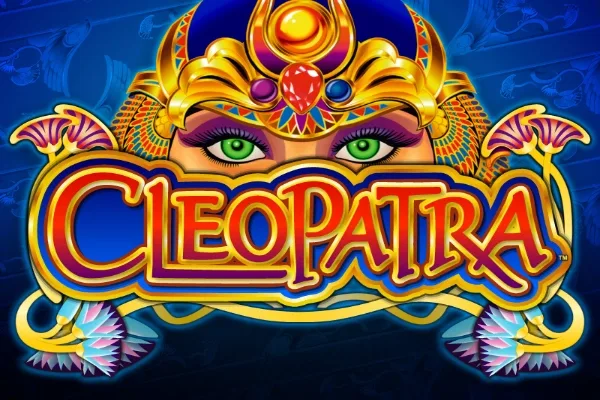
Cleopatra, max win. The top award is often quoted as 10,000x, but that is 10,000x the line bet. A full-stake multiple isn't verified, so we don't show one.
Sugar Rush 1000, RTP. The studio's page and a database give different primary figures. The RTP stays blank until the difference is settled, even though the 25,000x max win and 7x7 layout are confirmed in Pragmatic Play's launch release.
The Dog House Megaways 1000, volatility. Pragmatic Play publishes no volatility rating for this game, and the one database label we found didn't fit the design. The volatility field is blank.
Aviator, max win. Sources give different maximums, so the field is blank.
Why we don't estimate
It would be easy to fill every gap. We could assume an industry-average RTP, round a line-bet figure up to a stake multiple, or take the highest number any site has printed. Each of those would make the card look more complete and less accurate.
A blank also works as a prompt. It tells you to check the game's own help screen, where studios normally show the RTP for that build. That matters because many games come in several RTP settings. Where we know of lower settings, the game page says: "Some sites run this game at a lower RTP setting", followed by the figures. Big Bass Splash, for example, lists 96.71%, 95.67% and 94.60%.
The same rule applies to our scores. A game without a confirmed RTP can't receive an SR Score, and how we rank describes it as unscored rather than scored on partial data.
When dashes get filled in
Records are updated whenever a studio publishes a figure or a conflict is settled. When a dash is replaced, the source is added to the game page. If you know of an official source we've missed, the contact page reaches the editorial team.
To compare figures across the catalogue, the RTP table lists every confirmed RTP in one place, and how to read a paytable explains where to find these numbers inside a game.